
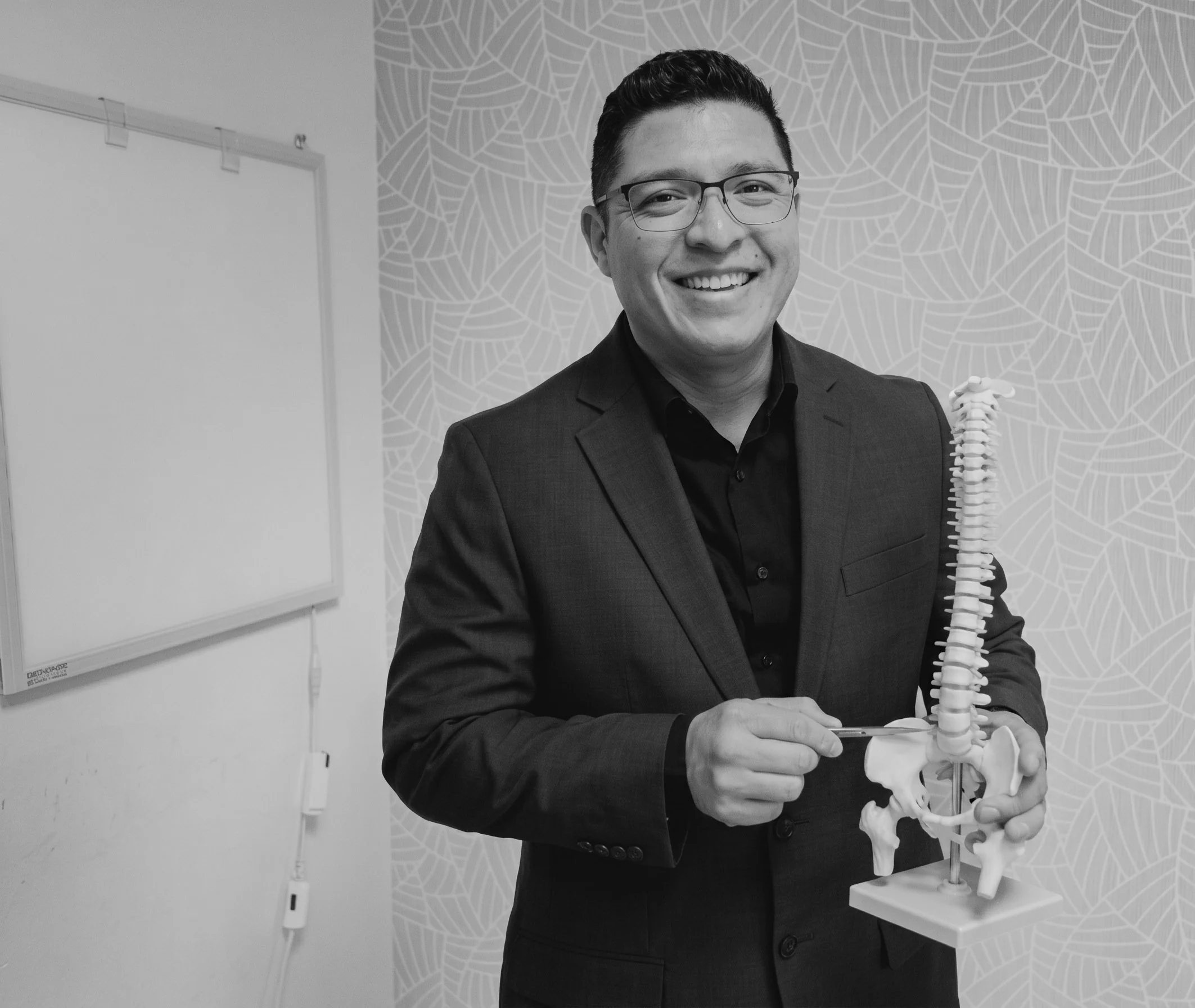
Dr. Hans Ruiz
Orthopedic Specialist · Tijuana
Certified by the Mexican Orthopedic Council, with a career built on restoring mobility through joint and regenerative care.
Read full bio →Board-certified care at Hospital Blue Medical Tower.
Orthopedic Specialist · Tijuana
Certified by the Mexican Orthopedic Council, with a career built on restoring mobility through joint and regenerative care.
Read full bio →Three cell products. One accredited laboratory.
Mesenchymal stromal cells from the Wharton’s jelly of screened donor cord tissue, expanded in culture. Given intravenously or intra-articularly.
An SSEA-3 marked subpopulation, roughly one to three percent of a mesenchymal pool. Given intravenously. Trial evidence is early-phase.
The extracellular vesicle fraction, separated from the cells and administered cell-free. Used alone or alongside a cell protocol.
Candidacy, dose, and route are set by a board-certified physician after review of history, imaging, and labs. Written consent precedes administration. Follow-up at two, six, and twelve weeks.
Both locations are supplied by a single ISO-accredited laboratory operating to GMP standards. Each batch is tested for viability, sterility, and identity before release. Identity testing does not measure potency, and no standardized potency assay exists across the field.
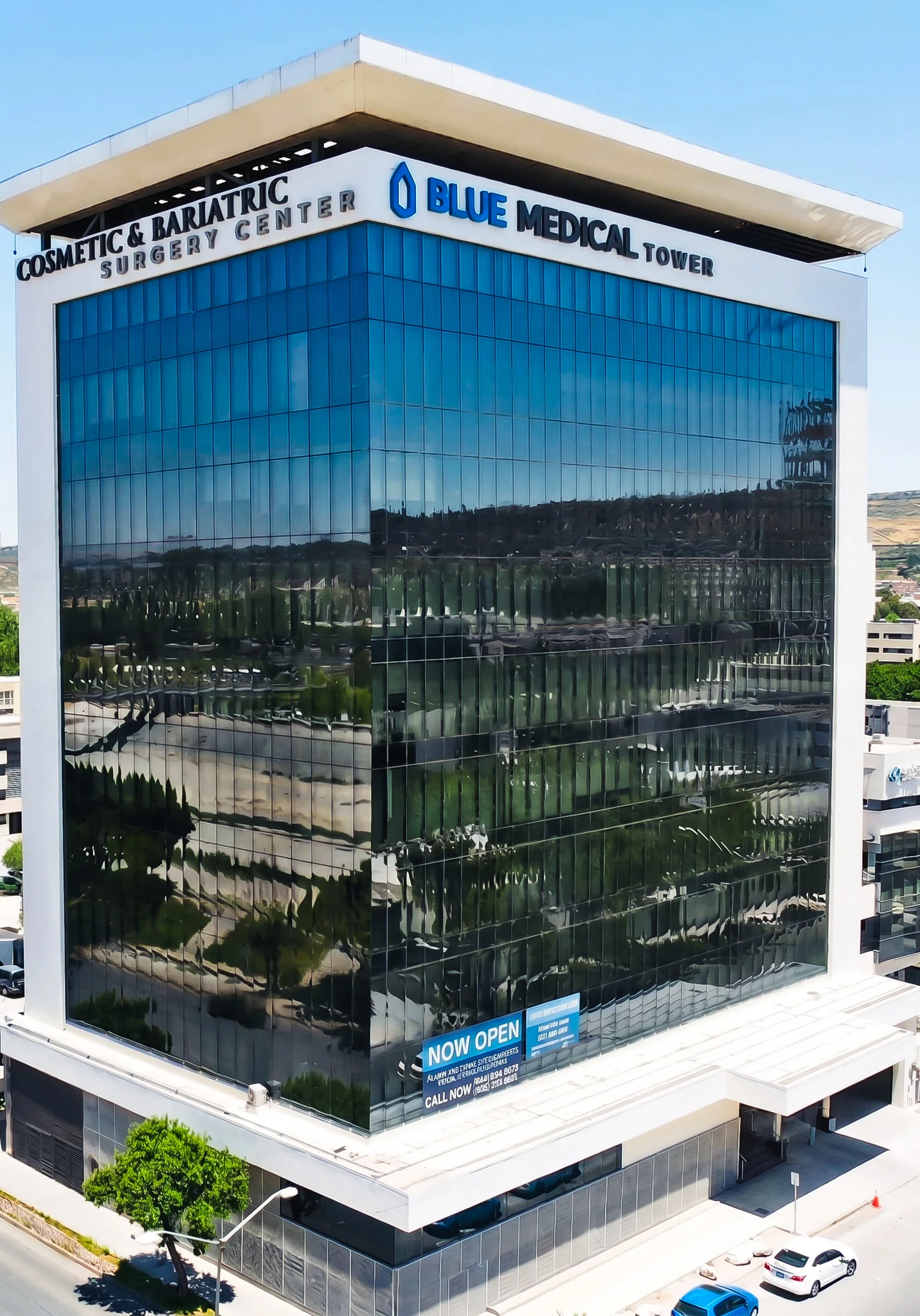
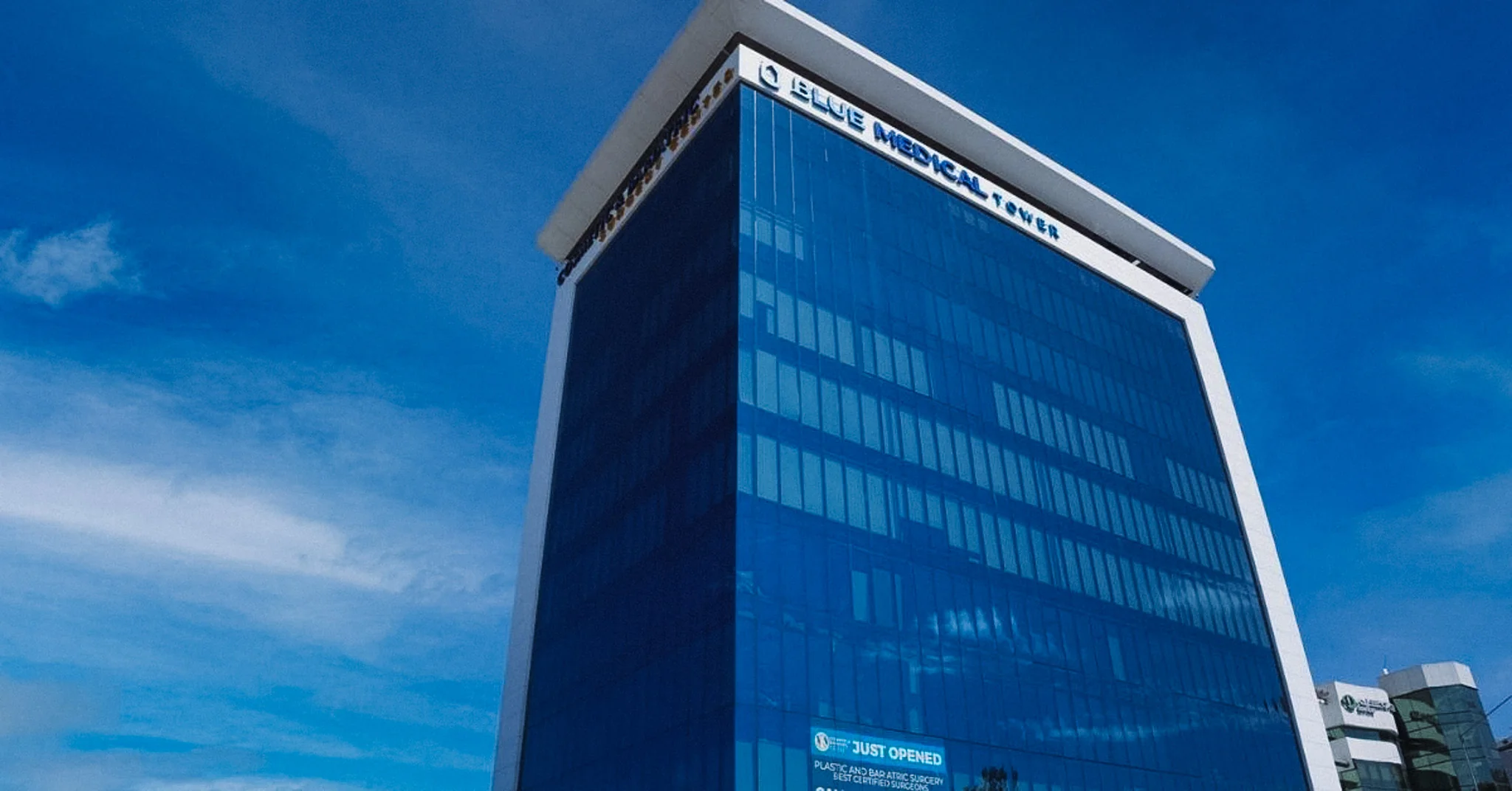
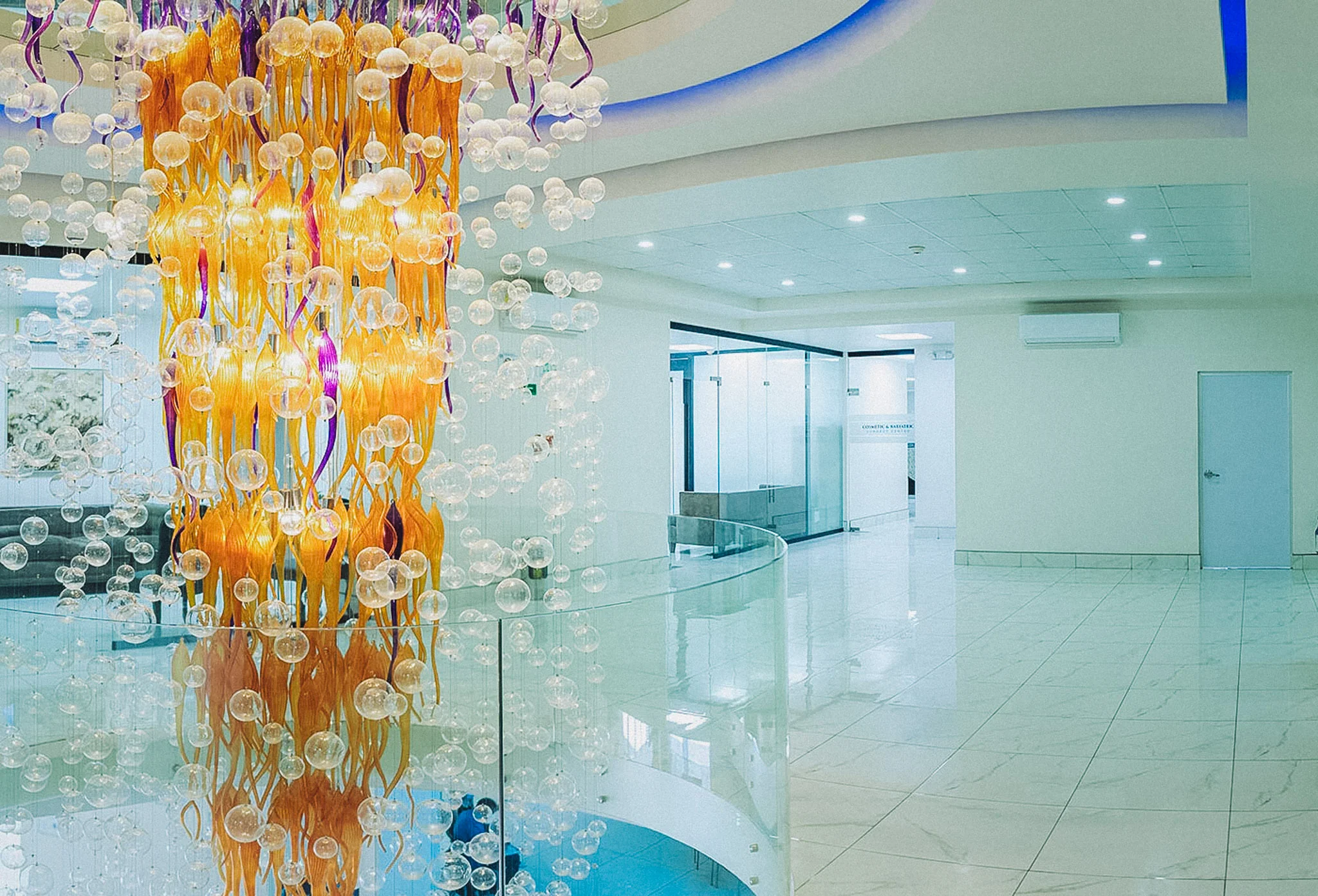
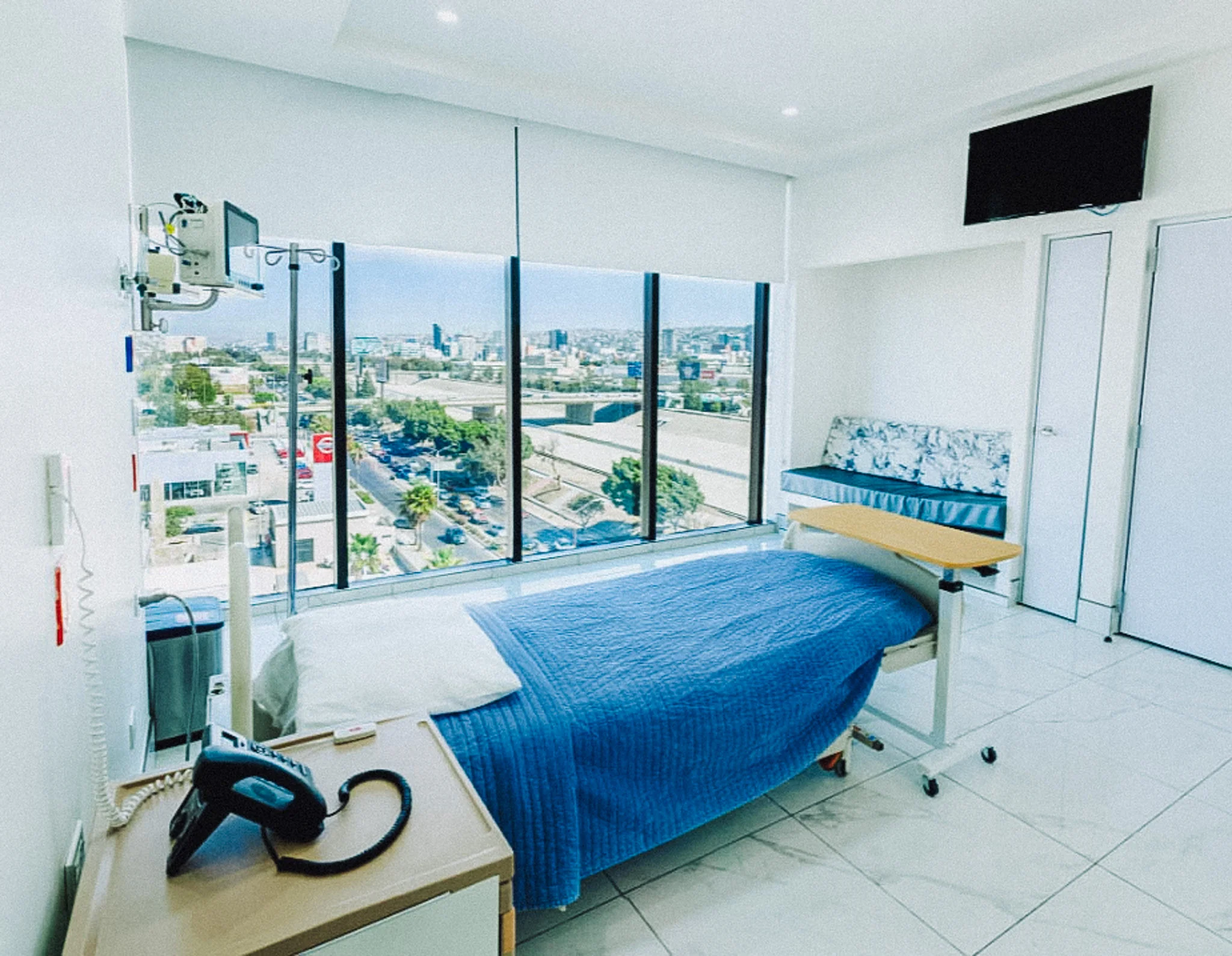
A licensed surgical facility in Zona Urbana Río: imaging, anesthesiology, and recovery suites under one roof, regulated under México's COFEPRIS framework.
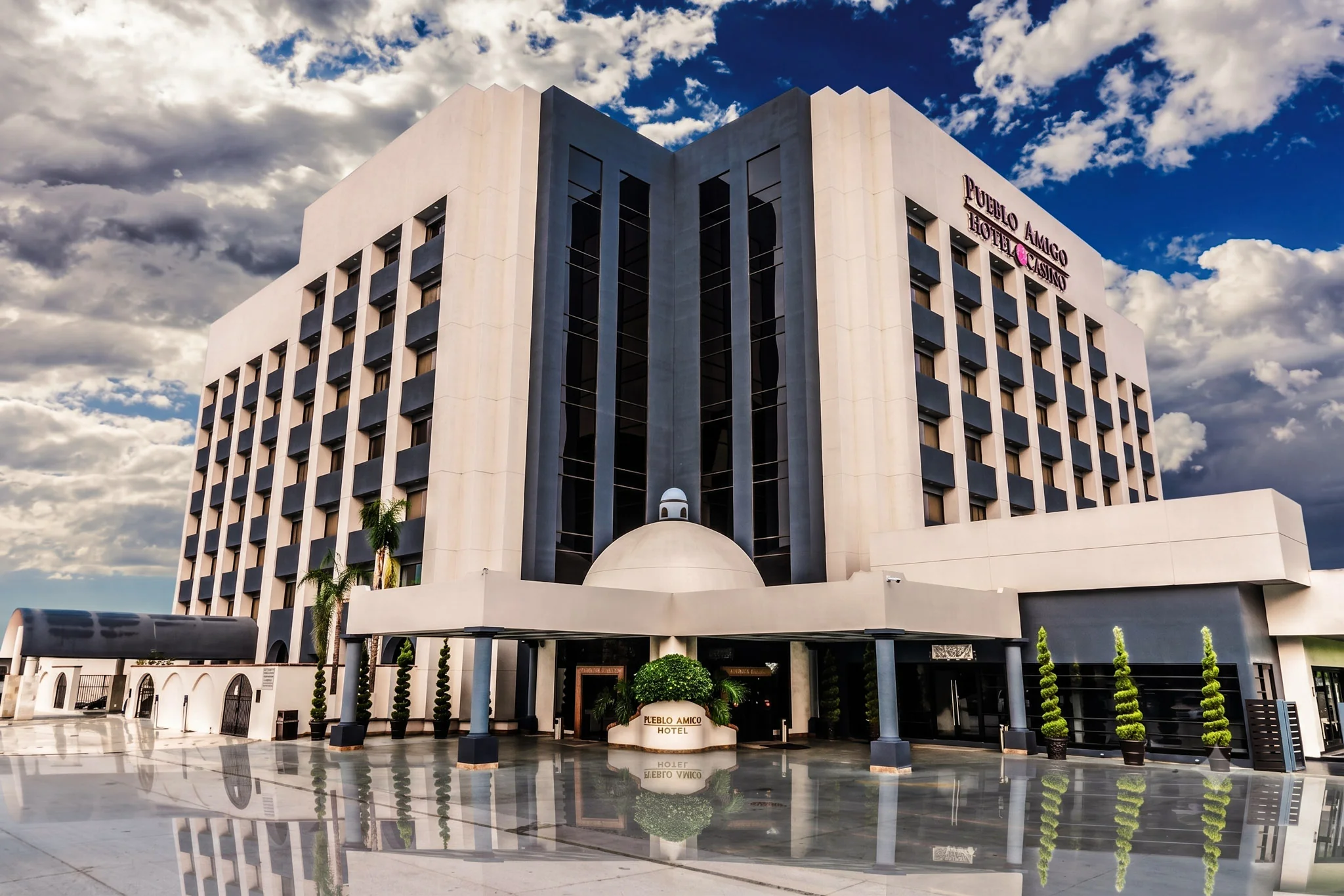
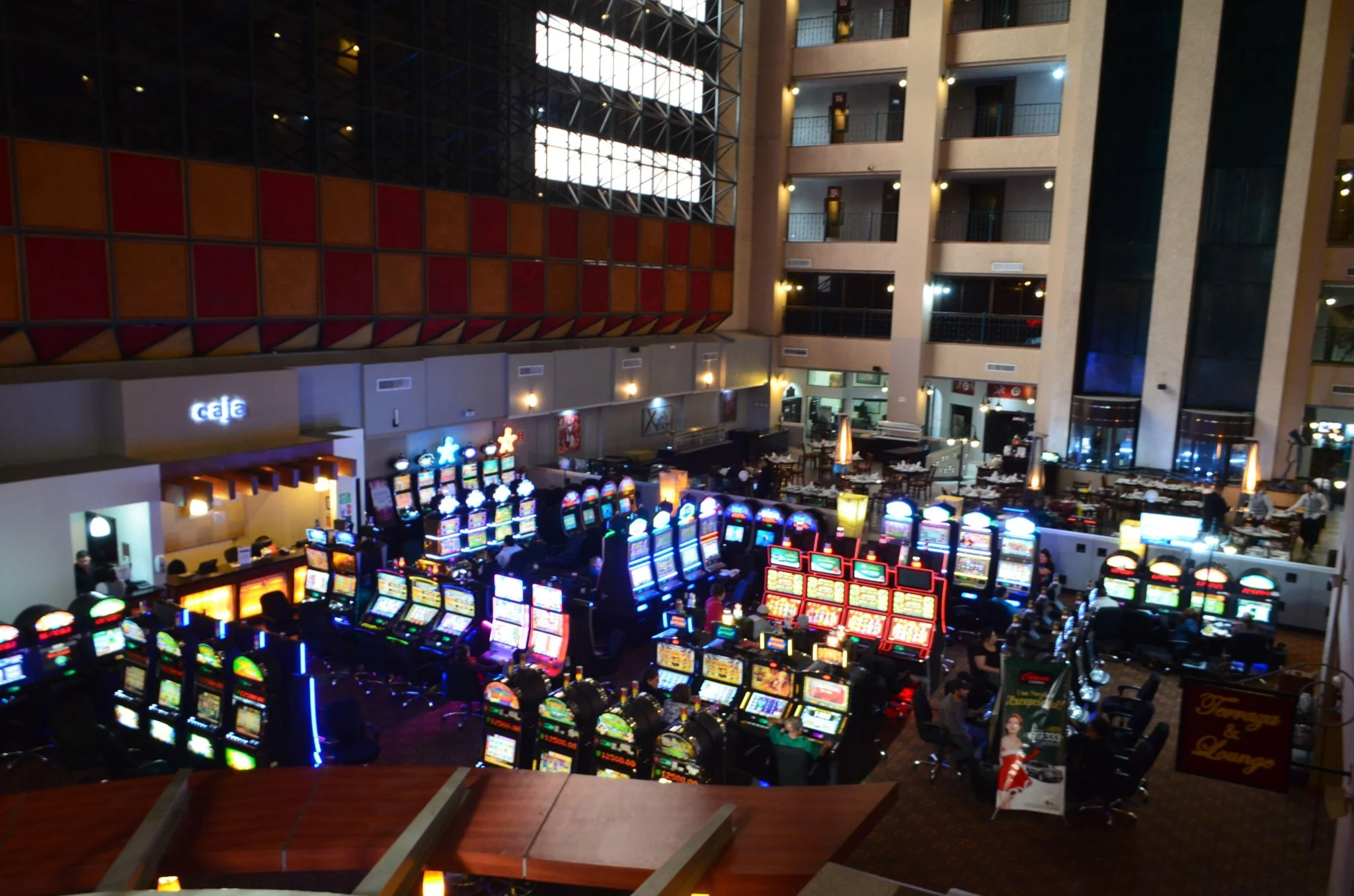
A relaxed resort setting minutes from Hospital Blue, with daily chauffeured transfers included, so recovery days stay simple and unhurried.
Twenty minutes from San Diego International, across the border at San Ysidro.
Fly into San Diego International. A private driver meets arriving patients at the terminal; Hospital Blue Medical Tower is about twenty minutes from the airport.
Documents are cleared in advance, and a bilingual escort walks patients through the dedicated medical lane at San Ysidro, usually in under five minutes, with the vehicle waiting on the far side.
Daily transfers between hotel and clinic, a final transfer to San Diego on departure day, rooms at preferred rates minutes from the clinic, and appointments scheduled with the clinical team.
If a question is not covered here, get in touch.
The coordinator does, from start to finish. Once a protocol is confirmed, lodging is booked at preferred rates, the private driver is scheduled, and the TrueCell medical fast pass for the border is issued. The plan is approved by the patient, then every reservation is handled and updates arrive by phone, email, or WhatsApp.
No. The medical fast pass skips the general lines at San Ysidro and paperwork is prepared in advance. The coordinator meets you, presents the documents, and walks you across, usually in under five minutes, with the private vehicle waiting on the other side.
At Hospital Blue Medical Tower in Tijuana, a licensed surgical facility in Zona Urbana Río, minutes from the San Ysidro crossing, with imaging, anesthesiology, and recovery suites under one roof. Procedures are delivered by board-certified physicians under México's COFEPRIS framework.
Yes. Stem cell (UC-MSC), Muse cell, and exosome protocols are delivered under the same clinical standards as the Cancún location, from the same laboratory, and every protocol is reviewed by a board-certified physician before any recommendation is made.
Yes. Muse cell protocols are administered at Hospital Blue Medical Tower, and the cells come from the same ISO-accredited, GMP-standard laboratory that supplies Cancún. Muse cells are a sparse SSEA-3 positive subpopulation of mesenchymal cells, given by intravenous infusion. Human trials remain small and early-phase; the evidence is reviewed on the Muse cell research page. See the protocols delivered in Tijuana.
Yes. Spine conditions such as discogenic back pain, degenerative disc disease, facet arthropathy, and sciatica are treated on the orthopedic spine program with intradiscal, facet, and epidural protocols. Spinal cord injury and traumatic brain injury are treated on the neurological injury program: 100 million UC-MSCs by intravenous infusion, with intrathecal delivery added where the physician judges direct spinal fluid exposure is warranted. Candidacy is decided by the treating physician at Hospital Blue after reviewing imaging and history. Evidence for cell therapy after spinal cord and brain injury is early-phase, and no outcome is promised.
Yes. Relapsing-remitting and progressive MS, and related demyelinating conditions such as transverse myelitis, are treated at Hospital Blue Medical Tower on the MS protocol: 100 million Wharton’s jelly UC-MSCs by intravenous infusion, with intrathecal delivery only where the physician judges the case supports it. Cell therapy is added to the disease-modifying plan from your neurologist and never replaces it. The treating physician reviews your diagnosis, relapse history, recent MRI, and current medications before candidacy is confirmed. Trial results for mesenchymal cells in MS are mixed, and no outcome is promised.
Yes. Regenerative cell therapies are provided in México under the federal framework administered by COFEPRIS, by licensed, independent Mexican physicians in accredited facilities, and under written informed consent. How that framework compares with the U.S. one is set out in our regulation article.
Common exclusions include end-stage, bone-on-bone joint disease better addressed by replacement; active, uncontrolled inflammatory or autoimmune disease that a specialist must stabilize first; active malignancy or recent cancer treatment without oncology clearance; active infection; pregnancy or breastfeeding; and severe uncontrolled cardiovascular, hepatic, or renal disease. Candidacy is decided on the consultation, before any travel is booked.
There is no fixed age cutoff; candidacy is physiological rather than chronological. For older patients the physician pays particular attention to cardiovascular, hepatic, and renal function and to current medications. Pediatric cases are limited to specific programs, such as the autism protocol, and always require guardian consent and individual physician review.
It varies by condition and by person. For joint protocols, functional change typically begins in the 4 to 6 week window and peaks at 3 to 6 months. Neuropathy and systemic protocols often show first signals within weeks, with the primary assessment at 3 to 6 months. Some patients notice little or no change. The infused cells are cleared within days; the timeline reflects the immune and tissue response that follows, described in how long infused cells stay in the body.
Published joint-therapy trials report pain and function gains sustained at 12 months, and one randomized trial found benefit still separating from control at four years after a single injection. Durability differs by condition, severity, and individual biology, and some patients consider maintenance treatment. Realistic durability for a specific case is discussed at the consultation.
Many joint protocols are completed in a single visit. Systemic, autoimmune, neurological, and longevity protocols may be staged across more than one session over several months. The expected number of sessions is stated in the written plan and quote before travel.
No. Regenerative medicine is an emerging field: individual results vary, not every patient is a candidate, and no outcome, benefit, timeline, or cure is promised. The evidence supports a directional case for many indications and is weaker for some than others; where a specific case sits is stated at the consultation.
It depends on the protocol, cell type, and number of sites, so there is no flat price. After a physician reviews the case on a complimentary consultation, a written, itemized quote covering everything is provided before anything is scheduled. Treatment is self-pay; many patients use HSA/FSA funds or medical financing. A non-binding estimate is available on the cost page.
In almost all cases, no. Regenerative cell therapies are considered investigational in the U.S. and Canada and are generally not reimbursed, so treatment is self-pay. Itemized documentation is provided for your records; any reimbursement is at the insurer's discretion.
Plan for the procedure day plus the one to three days of monitoring the physician recommends. Once the protocol is set, the hotel is booked to match that window and the full itinerary is sent in writing before arrival.
Usually not. Most protocols are outpatient, but the physician typically asks for one to three days of monitoring after administration before the return crossing, so the trip is planned around that window rather than a same-day return.
No. A bilingual coordinator stays with you from the San Diego pickup through the return crossing and handles every conversation, from the border officers to the clinic front desk. The clinical team works with U.S. and Canadian patients daily.
For joint and orthopedic cases: recent imaging (MRI is ideal, X-ray is acceptable) and a brief history of the problem. For systemic, autoimmune, and neurological cases: recent labs, a current medication list, and any relevant specialist notes. Send what you have; the coordinator will say exactly what the physician still needs.
You leave with a written aftercare protocol. The coordinator remains your point of contact, and progress is tracked through remote check-ins at 2, 6, and 12 weeks by video or phone, the same follow-up every international patient receives.
Book a complimentary video consultation. A board-certified physician reviews your imaging and history and determines whether you are a candidate. If you are, you receive a personalized protocol and quote, and the coordinator makes every reservation: the pickup, the border fast pass, the hotel, and each transfer. If you are not, you are told so on the call.